

Best Laser Protection Helmet: Top Picks for Ultimate Safety and Performance
2026-05-29
When working with high-powered lasers, your eyes and face face risks no ordinary shield can handle. A truly reliable laser protection helmet doesn't just filter beams—it becomes your frontline defense in labs, industry, or field operations. But with so many options claiming top-tier safety, how do you spot the ones that actually deliver? From optical density ratings to comfort during long shifts, every detail matters. That's where LASERPAIR steps in, blending advanced protection with real-world performance. In this guide, we’ve cut through the noise to bring you helmets that truly raise the bar—so you can work with confidence, not compromise.
How Laser Helmets Shield Your Eyes from Harmful Beams
Laser helmets are designed with specialized optical filters that act as a barrier against intense light. These filters are made from materials that can absorb or reflect specific wavelengths, significantly reducing the energy that reaches the eyes. By targeting the exact frequencies of the laser in use, the helmet ensures that only a safe fraction of the beam passes through, keeping the wearer's vision unharmed during procedures or experiments.
Advanced models incorporate a layered lens system that works much like a one-way mirror. The outermost layer reflects the majority of the harmful radiation, while inner coatings further attenuate any stray light. This multi-stage defense prevents sudden flare-ups or accidental direct hits from causing damage, giving professionals the confidence to work in high-risk environments without compromising on clarity or comfort.
Beyond passive protection, some helmets feature active monitoring systems that adjust the lens opacity in real time. Sensors detect incoming beam intensity and trigger a near-instantaneous darkening of the visor, similar to auto-darkening welding helmets. This smart technology not only shields the eyes from unexpected surges but also allows for normal visibility when the laser is inactive, making it an indispensable safeguard in dynamic settings.
Must-Have Features in a High-Performance Safety Helmet
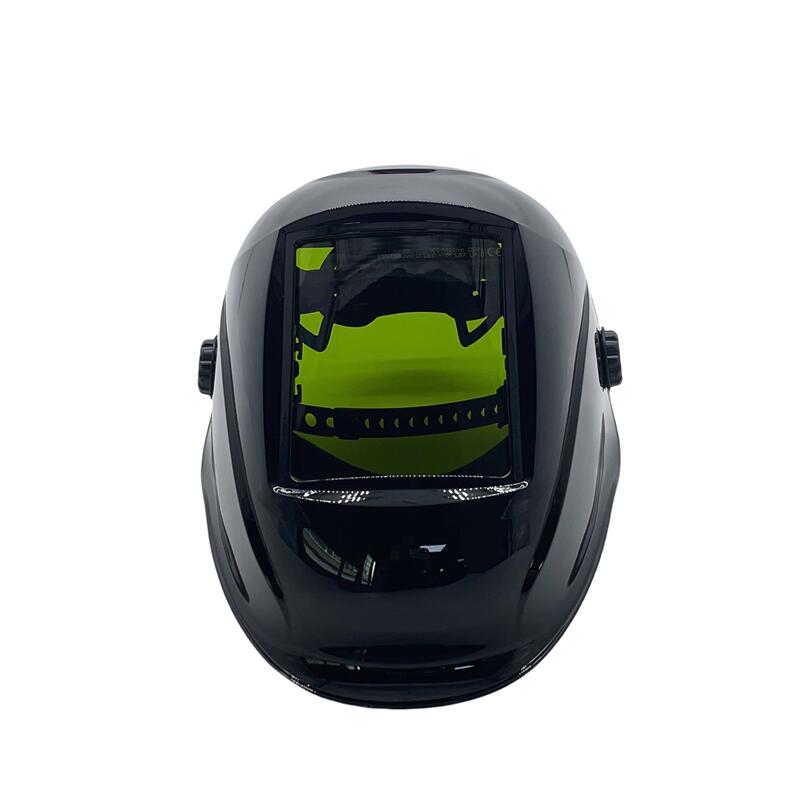
A reliable safety helmet does more than just sit on your head—it actively protects you from impacts, falling debris, and electrical hazards. High-performance models combine robust materials with smart engineering to absorb and deflect force efficiently. Look for a shell made from high-density polyethylene (HDPE) or ABS plastic, as these withstand heavy blows without cracking. Inside, a multi-layer suspension system distributes shock away from the skull, reducing the risk of injury during sudden impacts.
Beyond basic impact resistance, genuine performance helmets offer features like side-impact protection and penetration resistance. A quality helmet should meet or exceed ANSI Z89.1 or EN 397 standards, ensuring it has passed rigorous testing for top and lateral forces. Integrated rain gutters, sweatbands, and adjustable chin straps may seem like minor details, but they make a noticeable difference in real-world conditions. Some advanced designs even incorporate reflective strips for low-light visibility or slots for attaching face shields and earmuffs without compromising stability.
Comfort and fit shouldn’t be an afterthought, either. A helmet that slides or pinches becomes a distraction, which is danger you can’t afford. The best models use rotary adjustment systems or ratchet mechanisms to achieve a snug, personalized fit in seconds. Ventilation channels matter too—especially in hot environments—to keep you cool without sacrificing protection. Finally, consider weight: lightweight shells reduce neck strain during long shifts, making it easier to keep the helmet on consistently. When a helmet disappears from your awareness because it fits so well, that’s a sign of thoughtful design.
Lens Coatings Compared: Which One Suits Your Work?
Picking a lens coating isn't just about adding a fancy layer—it directly shapes how you see and interact with your environment. Basic uncoated lenses might leave you squinting through reflections or constantly wiping away smudges. The right coating transforms your eyewear into a tool that works as hard as you do, but only if it matches your daily grind.
Anti-reflective coatings cut glare dramatically, making them a solid choice if you spend hours in front of screens or under fluorescent lights. For outdoor work, hydrophobic and oleophobic treatments repel water, oil, and dust, keeping your vision crisp in rain or dusty conditions. Meanwhile, blue light filtering has gained traction for digital-heavy tasks, though it is often overhyped—don’t assume it is a cure-all for eye strain.
Scratch-resistant layers are nearly standard now, but not all are created equal. If your job involves physical activity or frequent handling, opt for a premium hard coating combined with a top-tier anti-reflective stack. The key is matching the coating’s strengths to your specific tasks: a photographer might prioritize color accuracy and minimal reflection, while a construction worker needs durability and easy cleaning above all else.
Comfort and Fit: Small Details That Make a Big Difference
It’s often the quiet elements that decide whether a piece of clothing becomes a daily favorite or stays buried at the back of the closet. The way a seam lies flat against the skin, the give of a fabric when you reach forward, the soft tag that doesn’t scratch—these aren’t flashy features, but they shape how you feel hour after hour. A well-placed dart or a slightly curved hem can turn a basic garment into something that moves with you, not against you.
We’ve learned that true comfort comes from listening to the body’s own architecture. Instead of forcing a standard shape onto every build, thoughtful design works with natural posture—think armholes that don’t dig, waistbands that stay put without pinching, and necklines that frame rather than restrict. It’s the subtle pivot from “what looks good on a hanger” to “what feels like a second skin.” These choices rarely make the label, but they make all the difference by the end of a long day.
Even the smallest decisions, like the direction of a thread or the placement of a pocket, carry weight in everyday life. A pocket slanted just so can keep your essentials secure without adding bulk; a hem that’s slightly longer in back can save you from constant adjusting. When comfort is built into the bones of a garment, it fades into the background, letting you forget about your clothes and focus on everything else. That’s the real luxury—not loud logos, but the quiet confidence of a perfect fit.
Industries That Depend on Laser Protection Daily
From high-precision manufacturing floors to life-saving medical procedures, a surprising number of industries rely on robust laser protection every single day. In automotive and aerospace manufacturing, for example, lasers handle cutting, welding, and engraving tasks that demand not only powerful beams but also rigorous safety measures. Workers routinely wear specialized goggles and face shields, while automated enclosures keep bystanders safe. Without these layers of defense, even a split-second reflection could cause permanent eye damage or skin burns, halting production lines and risking lives.
Medical fields also weave laser protection into their daily routine. Surgeons using lasers for delicate eye surgeries or cosmetic treatments depend on guards that filter specific wavelengths, safeguarding both the practitioner and the patient. Operating rooms are often equipped with laser-resistant curtains and warning signs, and staff undergoes regular training to handle unexpected beam scatter. Similarly, research laboratories—whether they're studying quantum physics or developing new materials—cannot function without beam dumps, interlocks, and protective barriers that prevent accidental exposure during experiments that push the limits of high-energy light.
Even less obvious sectors, like telecommunications and entertainment, have quietly adopted laser safety protocols as part of their everyday operations. Fiber-optic networks rely on invisible infrared lasers that can harm technicians who inspect live cables without eye protection. In concerts and light shows, powerful stage lasers must be carefully aligned and shielded to avoid audience hazards. These industries may not always make headlines, but they share a common thread: laser protection isn't an afterthought—it's a non-negotiable element woven into the fabric of their workday.
Simple Ways to Keep Your Helmet in Top Shape
Giving your helmet a quick wipe after every ride goes a long way. Sweat, dust, and road grime can gradually wear down the outer shell and inner padding. Use a soft cloth dampened with mild soap and water for the exterior, and let the interior air dry fully before storing. Avoid harsh chemicals or solvents—they can degrade the materials and compromise safety.
Where you keep your helmet matters just as much as how you clean it. Heat and direct sunlight can weaken the protective foam over time, so find a cool, dry spot away from windows. If you toss it in a gym bag or trunk regularly, consider a padded helmet bag to prevent scratches and accidental impacts. A small habit like this can extend its lifespan significantly.
It’s easy to overlook minor wear and tear, but a quick visual check before each use can catch issues early. Look for cracks in the shell, frayed straps, or compressed padding. If you’ve had a fall, even a minor one, replace the helmet—the damage isn’t always visible, and its ability to protect you might be compromised. Treat these checks as routine as buckling your chin strap.
FAQ
Beyond the label, check for markings like EN 207 or ANSI Z136 certifications etched onto the filter or frame. These standards test for specific wavelength ranges and power densities, so the rating needs to match your laser’s parameters exactly. A CE mark alone isn’t enough—always verify the optical density and damage threshold figures in the manual.
Yes, several models use flip-up filters or interchangeable cartridges to cover 1064 nm and 10.6 µm wavelengths. For instance, some allow switching between a diode filter and a CO2 filter. Just be aware that a single fixed shade won’t protect across such a wide spectrum—you’ll need a multi-filter setup or a tunable auto-darkening unit designed for dual-wavelength use.
Modern auto-darkening helmets now react fast enough for pulsed lasers, but they’re not immune to intense scattered light. Cheaper units might over-darken or flicker near the beam path. For direct or high-power class 4 work, many professionals still rely on a fixed passive shade because there’s zero lag and no battery dependency—the protection is always on.
Some affordable options do carry legitimate EN 207 ratings, but you need to scrutinize the documentation. Counterfeit markings are a known issue. Look for a manufacturer who openly shares test lab names and batch numbers. Often, a mid-range helmet from a specialty supplier offers better longevity and comfort than the cheapest ‘certified’ option that fits poorly.
Light scratches on the outer shield are normal, but deep gouges or cracks mean immediate replacement. Wipe the filter only with the supplied cloth and avoid solvent cleaners that can degrade coatings. Store it away from heat sources and direct sunlight—UV exposure can gradually shift the tint performance, especially on polycarbonate lenses.
Weight distribution matters as much as padding. Look for a helmet with an adjustable crown and a balanced pivot system that doesn’t nose-dive when the shell is lifted. Sweat-wicking liners and wide peripheral seals also reduce fatigue. Some helmets allow airflow channeling without compromising the light seal, which helps in high-humidity workshops.
Once you move into class 4 systems with open beam paths—like robotic laser cutting or dental soft-tissue procedures—a full-face helmet becomes mandatory. The reason is scattered radiation and fume protection. Goggles leave your face and neck exposed to reflected beams, and hot spatter from cutting can cause serious burns. Helmets also integrate respiratory protection more reliably for vaporized materials.
Conclusion
When it comes to shielding your eyes from harmful laser beams, the right helmet isn't just a piece of gear—it's a critical barrier between you and permanent damage. The best laser protection helmets combine advanced lens coatings with robust optical density ratings, selectively blocking specific wavelengths while preserving clear visibility. Whether you're working with UV, CO2, or diode lasers, the coating technology determines how well the lens resists scratches, reduces glare, and maintains color recognition. But protection alone isn't enough. High-performance models also integrate features like extended wraparound designs, side shields, and durable shells that withstand impacts and heat, ensuring that no stray reflections reach your eyes from any angle.
Beyond the technical specs, real-world usability matters. Industries from medical surgery and dental clinics to manufacturing and research labs rely on laser protection daily, so comfort and fit aren't optional—they're essential for workers who wear helmets for hours. Details like adjustable headbands, lightweight materials, and ventilation channels prevent fatigue and fogging, keeping focus sharp. And because these helmets are an investment, simple maintenance routines—cleaning lenses with microfiber cloths, storing them in protective cases, and inspecting for damage—can extend their lifespan significantly. Top picks on the market balance all these elements, delivering safety without compromise, so you can concentrate on precision work with complete peace of mind.
Contact Us
Contact Person: Jenny
Email: [email protected]
Tel/WhatsApp: +86 13537713281
Website: https://www.laserpair-safety.com/