
Professional Flame Resistant Shirts for Maximum Workplace Protection and Comfort
2026-07-14
When workplace hazards involve open flames and arc flashes, staying safe shouldn't mean sacrificing comfort. That's the philosophy behind DROTEX flame resistant shirts—professional-grade protection that feels as good as it looks. Whether you're welding, handling chemicals, or working near high-voltage equipment, the right FR gear can make all the difference. Here's a closer look at what sets our shirts apart and why they're becoming essential for those who demand reliability without compromise.
How Flame-Resistant Fabrics Keep You Safe on the Job
Flame-resistant fabrics are engineered to self-extinguish once the ignition source is removed, giving you precious seconds to escape a flash fire or arc flash. Unlike regular clothing that can continue to burn and melt into your skin, these specialized materials create a protective barrier that limits burn injuries and can mean the difference between minor harm and a life-threatening event.
The real safety benefit lies in how these fabrics handle intense heat. They don't ignite easily, and even when they do, they form a stable char that insulates your skin from further thermal exposure. This charring action prevents the fabric from dripping or sticking to your body, reducing the depth and severity of burns. For electricians, oilfield workers, and factory personnel, this built-in protection buys time to react and move away from danger.
Beyond the immediate thermal protection, flame-resistant workwear is designed for comfort and durability in harsh environments. Breathable weaves and moisture-wicking properties keep you cool during long shifts, while reinforced seams and sturdy construction hold up to daily abuse. When your gear is comfortable and reliable, you're more likely to wear it consistently—and that consistent use is what ultimately keeps you safe on the job, day after day.
Built for Tough Environments Without Sacrificing Comfort
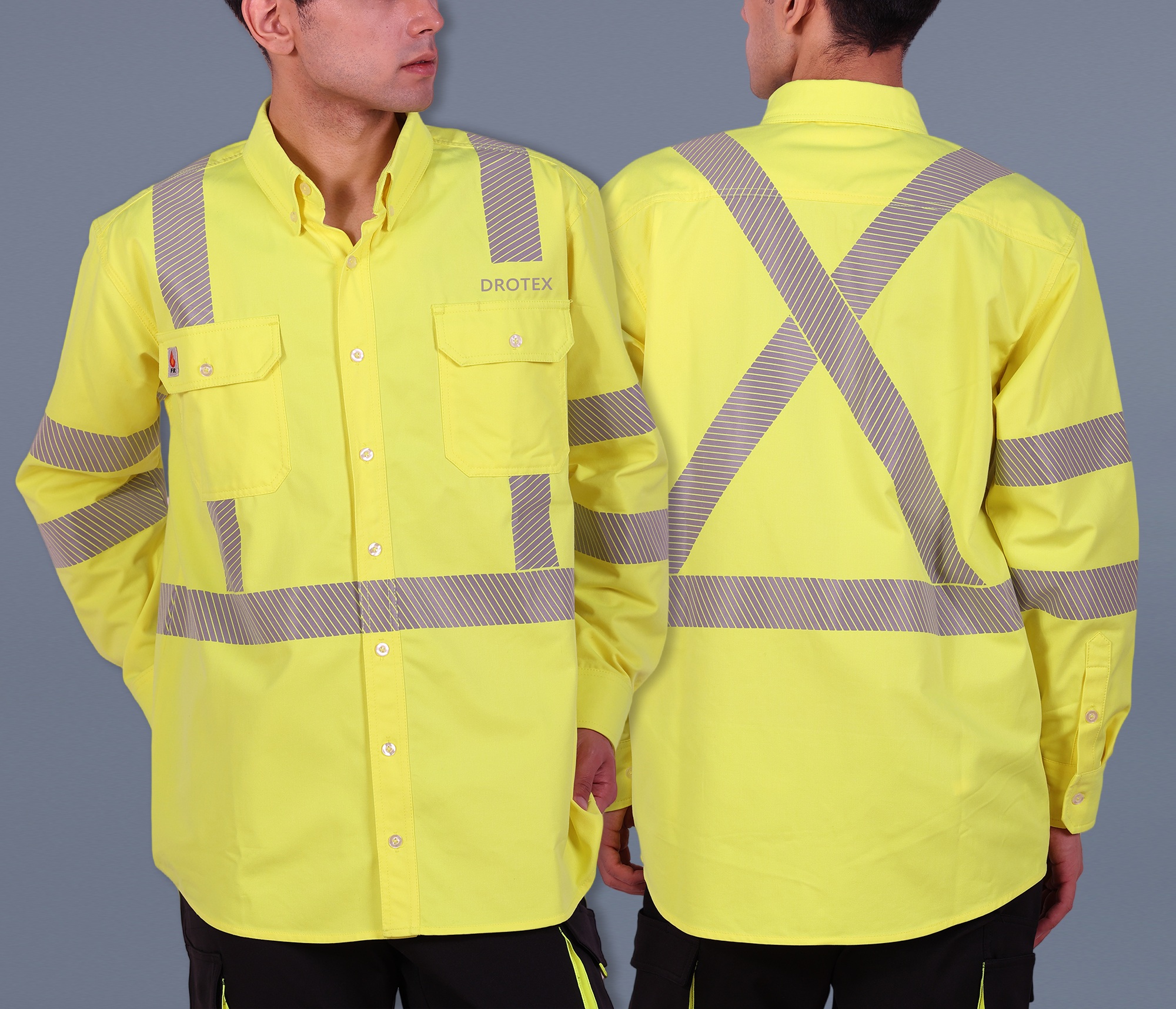
When you're miles from civilization, battling the elements, the last thing you need is gear that fights against you. That's why every stitch, seam, and layer is engineered to shield you from wind, rain, and biting cold while still letting your skin breathe. The fabric repels moisture on the outside but stays soft and flexible inside, so you stay dry without feeling clammy or restricted. Whether you're navigating a rocky pass or bracing against a sudden downpour, the jacket moves with you, not against you—no stiff crunching sounds, no pinching at the elbows. It's protection that feels like a second skin.
We obsessed over the small details because that's where real comfort lives in harsh conditions. The collar is lined with a microsuede that doesn't chafe when you turn your head to scan the horizon. Zippers are sealed but glide with a single finger, even with numb hands. Inside, the pocket placement is mapped to stay clear of pack straps and harnesses, so your essentials are always accessible without digging. And the adjustable hem and cuffs lock out drafts without creating bulky pressure points. It's that rare balance where rugged durability meets a tailored, almost weightless feel—so you can focus on the path ahead, not what you're wearing.
The real test comes when conditions shift from bad to worse, and that's where this design proves its worth. It insulates efficiently when temps drop but vents excess heat the moment you start climbing, thanks to discreet underarm panels that you can manage on the fly. The hood is helmet-compatible but lies flat when not in use, never catching the wind or blocking your peripheral vision. After weeks of gritty use, it still shakes off dirt and dries in minutes, ready for whatever tomorrow brings. This isn't just gear that survives the elements—it's gear that lets you forget them entirely.
Layers That Breathe While Blocking Heat and Sparks
Imagine standing inches away from a roaring furnace, yet feeling a cool breeze against your skin. That’s the promise of modern protective layers designed to halt intense heat and stray sparks while still allowing airflow. By weaving advanced aramid fibers with microscopic pores, these fabrics create a dynamic barrier — one that rapidly dissipates thermal energy and snuffs out embers, all without trapping sweat or stifling movement. The secret lies in a three-dimensional knit structure that opens up when you move, channeling fresh air across the body while the outer surface reflects radiant heat away.
Traditional heat-resistant gear often feels like wearing a plastic bag, sacrificing breathability for protection. Not these layers. They incorporate phase-change materials that actively absorb and redistribute heat, combined with a staggered weave pattern that catches flying sparks on the surface. The magic happens in the middle layer: a lightweight, non-woven membrane that expands when exposed to flame, instantly sealing off heat transfer pathways while the inner lining continues to wick moisture. It’s protection that adapts in real time, rather than relying on brute thickness.
The result is gear that doesn’t just shield you — it actively works to keep you dry and clear-headed. Welders report less fatigue, foundry workers fewer burns, and firefighters a noticeable drop in core temperature during long shifts. By engineering the fabric to respond dynamically to both thermal and physical stress, these layers deliver a level of comfort that was once thought impossible. They represent a shift from passive insulation to an intelligent, breathable shield that consistently performs when it matters most.
Why Fit and Mobility Matter in Protective Workwear
If your protective gear restricts movement, it’s not really protecting you—it’s holding you back. When workwear doesn’t fit right, you end up fighting your own clothing just to reach, bend, or twist. That constant struggle leads to fatigue, and tired workers make mistakes. A jacket with sleeves that ride up or pants that pinch at the knees can turn a routine task into a safety risk. The best protective clothing feels like a second skin: close enough to move with you, but never in your way.
Mobility isn’t just about comfort—it shapes how safely you do your job. In fields like construction, electrical work, or heavy manufacturing, a split-second reaction can mean dodging a hazard or missing it entirely. Overly baggy garments snag on equipment, while overly tight ones restrict blood flow and slow you down. Design features like articulated knees, gusseted underarms, and four-way stretch panels aren’t just buzzwords; they’re what let you climb a ladder, crouch under a pipe, or swing a hammer without your gear fighting back.
Then there’s the long-term picture. Ill-fitting workwear doesn’t just cause daily annoyances—it can lead to chronic strain, back pain, and joint issues. When your uniform forces you into awkward postures all day, your body pays the price. Proper fit distributes weight evenly, supports natural motion, and keeps protective elements exactly where they need to be. Whether it’s flame-resistant fabrics or high-visibility panels, if they’ve shifted because the garment doesn’t stay put, the protection is compromised. Ultimately, investing in fit and mobility means investing in workers who can perform at their best, shift after shift, without the hidden toll of poor design.
Durable Stitching That Holds Up After Countless Washes
We’ve all been there—pulling a favorite shirt out of the dryer only to find a seam unraveling or a hem coming loose. It’s one of those small frustrations that turns a trusted piece of clothing into something you barely reach for anymore. The real difference often comes down to something easily overlooked: the quality of the stitching. When seams are reinforced with tight, even stitches and strong thread, they resist the constant pulling, twisting, and agitation that happens in every wash cycle. It’s not just about keeping things together; it’s about preserving the shape and integrity of the garment so it looks and feels the same as the day you bought it.
What makes stitching truly durable goes beyond just using a heavy thread. It’s the technique—flat-felled seams, double-needle stitching, and bar tacks at stress points—that distributes tension and prevents fraying. These construction details might not be obvious at first glance, but they’re exactly what keeps a collar from stretching out and cuffs from rolling. Clothes built this way have a kind of quiet confidence; you don’t think about them failing because they just don’t. Over time, even after dozens of washes, the seams lie flat, the threads hold their color, and the fabric stays right where it should.
Instead of cycling through flimsy replacements, you end up with pieces that actually earn their place in your closet. There’s a certain satisfaction in pulling on a well-worn hoodie or pair of jeans where every stitch is still intact, the hems perfectly straight, the elbows not threadbare. It’s a reminder that thoughtful construction doesn’t just survive the laundry—it gets better with age, softening while staying sturdy. That kind of resilience is what turns an ordinary garment into a long-term favorite, wash after wash.
Choosing the Right FR Shirt for Your Industry
When it comes to flame-resistant (FR) shirts, one size definitely doesn’t fit all. The hazards you face daily—whether it’s arc flash in electrical work, flash fire in oil and gas, or molten metal splashes in foundries—dictate the type of protection you need. But beyond mere compliance, the right FR shirt should work with you, not against you. It needs to balance safety with breathability, durability with comfort, so you can focus on the task without distraction.
Start by understanding the specific risks in your work environment. For electricians, an FR shirt with a high arc rating (ATPV) is non-negotiable, while welders might prioritize shirts that shed sparks and resist molten metal. In chemical plants, you’ll need fabric that can withstand corrosive substances. Then, consider the fit and fabric: lightweight, moisture-wicking materials keep you cool in high-heat settings, but a sturdier weave might be essential if your job involves heavy abrasion. Forget the one-style-fits-all approach—go for a shirt that truly matches your day-to-day challenges.
FAQ
Flame resistant shirts are specially designed garments that self-extinguish when exposed to fire, minimizing burn injuries. They're made from treated natural fibers or inherent FR materials that prevent the fabric from continuing to burn once the ignition source is removed.
Regular shirts can ignite and keep burning, causing severe burns. Flame resistant shirts give you critical seconds to react in a flash fire or arc flash incident, reducing injury severity. Plus, they often last longer under tough conditions, making them a smart long-term choice.
Absolutely. Modern FR shirts blend protective fibers with breathable, moisture-wicking materials, so you get the safety you need without sacrificing comfort. Many styles feel like a soft, broken-in cotton shirt right out of the package.
They're essential for anyone working near electrical hazards, combustible dust, or open flames—think electricians, oil and gas workers, welders, and chemical handlers. Even maintenance crews in heavy manufacturing often need them due to arc flash risks.
Wash them separately in warm water with mild detergent, avoid fabric softeners or bleach, and tumble dry on low. Spot cleaning stubborn stains is fine, but never use chlorine bleach—it can destroy the FR properties. With proper care, they stay protective for the garment's life.
Yes, today's FR shirts come in tailored cuts, crisp colors, and even button-down styles that look sharp on the job. You'll find options from lightweight henleys to rugged work shirts, all designed to move with you while maintaining a polished appearance.
They typically comply with NFPA 70E for arc flash protection and NFPA 2112 for flash fire resistance, meaning they've passed rigorous testing for thermal protection. Always check the label to ensure the shirt meets the specific hazard ratings for your workplace.
Not really. Unlike old days, modern FR fabrics are soft from the start and only improve with washing. Most workers say they feel just like their favorite casual shirts, with the added peace of mind that comes with real protection.
Conclusion
Flame-resistant shirts are a cornerstone of workplace safety, combining advanced fabric technology with practical design to shield workers from thermal hazards. The core protection comes from specially engineered fibers that either self-extinguish or resist ignition, buying crucial seconds in a flash fire or arc flash incident. These materials don’t melt or drip, preventing severe burn injuries even under extreme heat. But safety doesn’t mean sacrificing wearability—modern FR shirts are built with a focus on comfort, using layered constructions that allow body heat to escape while blocking sparks and radiant energy. This breathability keeps you cooler in high-temperature environments, reducing fatigue without compromising the protective barrier.
Beyond the fabric itself, the real-world performance of an FR shirt depends on details that hold up under daily abuse. Reinforced stitching, often with flame-resistant thread, ensures seams don’t unravel after repeated industrial laundering. A well-thought-out fit allows full range of motion—vital when reaching, bending, or operating machinery—while minimizing loose fabric that could catch on equipment. Different industries demand different levels of protection, so selecting the right shirt involves matching the hazard risk (like arc rating or flash fire protection) to the job’s requirements. Whether it’s oil and gas, electrical work, or manufacturing, the ideal FR shirt merges durable comfort with uncompromising safety, staying reliable wash after wash.
Contact Us
Contact Person: Sandy
Email: [email protected]
Tel/WhatsApp: 86150 8310 5120
Website: https://www.frdrotex.com