

How Are Knitted Socks Shaping Everyday Wear in a Changing Global Market?
2025-12-15
Knitted socks have evolved from simple necessities into refined everyday wear that balances comfort, durability, and adaptability across climates and lifestyles.
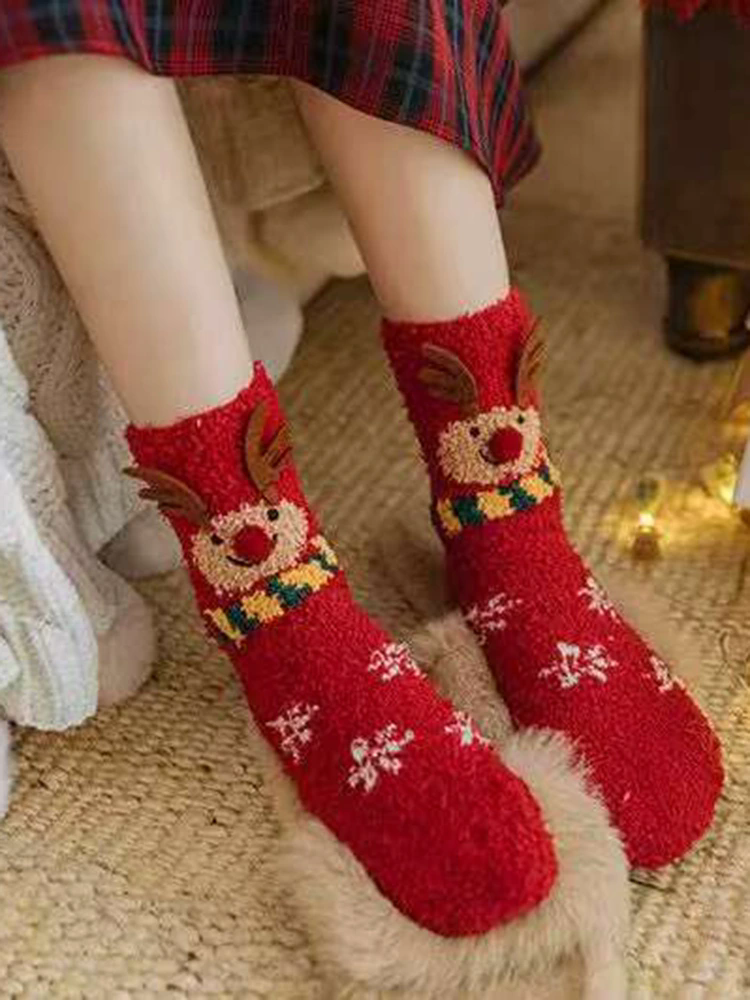
How Are Knitted Socks Structurally Designed to Meet Daily Wear Requirements?
Knitted socks are textile products manufactured through interlocking yarn loops using circular or flat knitting techniques. This structure provides inherent elasticity, shape retention, and breathability, making knitted socks suitable for prolonged daily use across casual, professional, and light athletic settings.
From a structural standpoint, knitted socks typically consist of multiple functional zones, each engineered for a specific purpose. The cuff ensures grip without excessive pressure, the leg offers coverage and aesthetic consistency, the heel and toe zones deliver reinforcement, and the sole area supports friction resistance and moisture control.
Core Product Parameters of Knitted Socks
| Parameter Category | Specification Description |
|---|---|
| Yarn Composition | Cotton blends, combed cotton, bamboo fiber, wool blends, polyester, nylon, elastane |
| Knitting Method | Circular knitting with single or double cylinder systems |
| Gauge Range | Fine gauge (168N–200N) for dress socks; mid gauge (144N–168N) for casual wear |
| Elastic Recovery | Integrated elastane or spandex for long-term shape retention |
| Thickness Options | Lightweight, midweight, thermal |
| Stitch Density | Optimized for airflow and abrasion resistance |
| Seam Construction | Hand-linked or seamless toe closure |
| Size Range | Standard adult sizing with elastic adaptability |
| Color Fastness | Reactive or vat dyeing processes |
| Care Performance | Machine washable with controlled shrinkage |
These parameters collectively define the performance profile of knitted socks. Material selection directly affects moisture absorption and skin comfort, while stitch density influences durability and seasonal suitability. Reinforced knitting at stress points such as heels and toes extends product lifecycle, which is a critical purchasing consideration in mature consumer markets.
How Do Knitted Socks Perform Across Different Usage Scenarios?
Knitted socks are designed to function consistently across varied daily activities, from office environments to home use and light outdoor movement. Their adaptability is a direct result of knitting flexibility, yarn engineering, and structural zoning.
In professional settings, fine-gauge knitted socks prioritize smooth surface texture and controlled elasticity to ensure compatibility with formal footwear. For casual or lifestyle use, mid-gauge constructions emphasize cushioning and breathability, allowing for extended wear without discomfort.
Moisture management is another key performance dimension. Natural fibers such as cotton and bamboo provide high absorbency, while synthetic blends enhance evaporation efficiency. This balance helps maintain a stable microclimate around the foot, reducing friction and odor buildup during prolonged wear.
Thermal regulation is achieved through yarn thickness and loop height adjustment. Lightweight knitted socks facilitate airflow in warm conditions, whereas denser knit patterns trap air for insulation in cooler environments. This scalability makes knitted socks a year-round product category rather than a seasonal accessory.
How Is the Knitted Socks Market Responding to Manufacturing and Consumer Shifts?
The global knitted socks market is increasingly influenced by changes in manufacturing technology, supply chain optimization, and consumer purchasing behavior. Automation in knitting machinery has enabled higher stitch precision, reduced defect rates, and consistent batch quality, supporting large-scale production without compromising comfort standards.
From a consumer perspective, demand has shifted toward transparency in material sourcing and predictable product performance. Buyers now evaluate knitted socks based on wear consistency, wash durability, and long-term fit stability rather than short-term appearance alone.
Sustainability considerations are also shaping production decisions. Yarn efficiency, waste reduction during knitting, and longer product lifespan contribute to lower replacement frequency, which aligns with evolving retail and sourcing strategies. Manufacturers are optimizing knitting programs to minimize yarn loss while maintaining structural integrity.
Customization capabilities represent another notable trend. Flexible knitting systems allow adjustments in rib height, cushioning zones, and color placement without extensive retooling. This adaptability supports private label development and regional market preferences, especially in North American and European retail channels.
How Do Knitted Socks Address Common Consumer Concerns?
Q: How do knitted socks maintain elasticity after repeated washing?
A: Elasticity is preserved through the integration of elastane or spandex yarns within the knit structure, particularly in the cuff and arch zones. These fibers are engineered to withstand repeated stretching and laundering, while controlled knitting tension prevents fiber fatigue and permanent deformation.
Q: How can knitted socks reduce discomfort during long hours of wear?
A: Discomfort is minimized by combining breathable yarns with ergonomic knitting patterns. Seamless or hand-linked toe construction eliminates pressure points, while moisture-regulating fibers and balanced compression help maintain circulation and reduce friction throughout extended use.
These common concerns highlight why knitted socks remain a staple product category. Performance consistency, rather than novelty, drives repeat purchases and long-term brand trust in this segment.
How Are Knitted Socks Positioned for Long-Term Relevance?
Knitted socks continue to demonstrate strong market resilience due to their adaptable structure, scalable manufacturing, and alignment with everyday wear demands. Their ability to integrate comfort, durability, and functional stability ensures relevance across demographic groups and usage contexts.
As brands refine material selection and knitting precision, knitted socks are increasingly positioned as dependable essentials within broader apparel assortments. Neizhiwai applies these principles through controlled production standards and material consistency, supporting reliable supply and predictable wear performance.
For further product specifications, customization discussions, or partnership inquiries, contact us to explore how knitted socks can be aligned with specific market requirements and long-term sourcing strategies.