

How Are Unisex Cotton T Shirts Shaping Everyday Apparel Choices?
2025-12-19
Article Abstract
Unisex cotton T shirts have become a foundational category in global apparel markets, valued for their adaptability, comfort, and broad consumer acceptance. This article examines how unisex cotton T shirts are designed, specified, and utilized across retail, corporate, and lifestyle applications. It provides a structured overview of product parameters, explores practical selection considerations, and answers common industry and consumer questions in a concise Q&A format. The discussion is organized into four comprehensive sections to support clarity, search visibility, and professional reference.
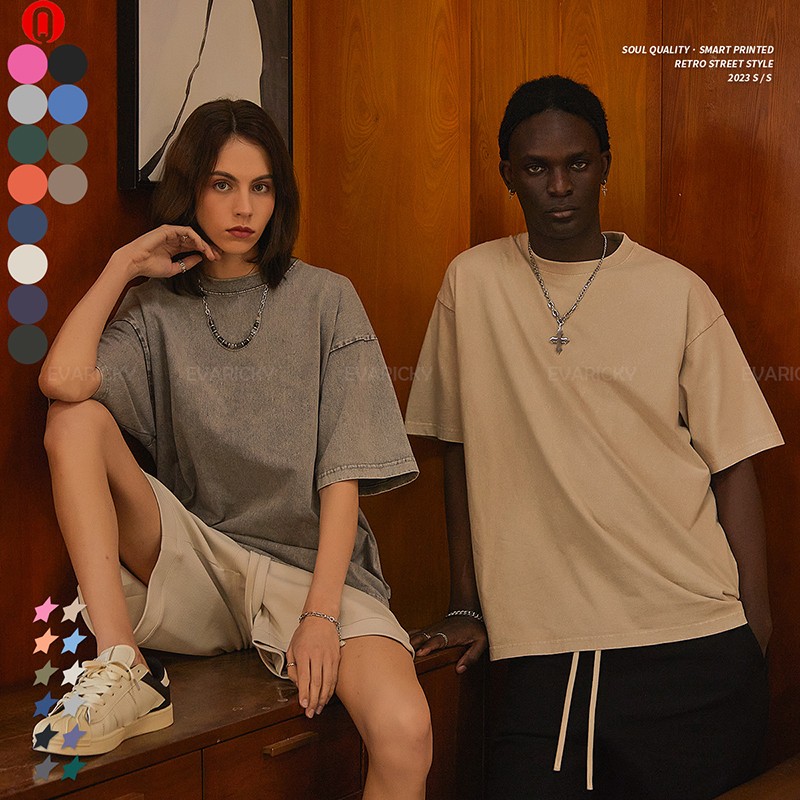
Table of Contents
- 1. How Do Unisex Cotton T Shirts Fit Into Global Apparel Demand?
- 2. How Are Unisex Cotton T Shirts Engineered and Specified?
- 3. How Should Unisex Cotton T Shirts Be Selected for Different Use Scenarios?
- 4. How Are Unisex Cotton T Shirts Evolving in Long-Term Market Practice?
Content Outline
- Market relevance and category positioning
- Material composition and technical parameters
- Use cases across industries and demographics
- Common questions and professional answers
- Brand reference and contact guidance
1. How Do Unisex Cotton T Shirts Fit Into Global Apparel Demand?
Unisex cotton T shirts occupy a unique position within the apparel ecosystem. Designed without gender-specific tailoring constraints, they support inclusive sizing, simplified inventory management, and broad aesthetic acceptance. In both mature and emerging markets, these garments are frequently selected as baseline apparel for casual wear, promotional use, workplace uniforms, and private-label fashion collections.
From a manufacturing and sourcing perspective, unisex cotton T shirts streamline production planning. Standardized patterns reduce cutting waste, while cotton fiber ensures consistent dye uptake and finishing performance. For distributors and retailers, the category supports high turnover due to its compatibility with diverse age groups, climates, and cultural preferences.
The central objective of this article is to explain how unisex cotton T shirts function as a practical, scalable apparel solution, while clarifying the technical parameters that define product quality and performance.
2. How Are Unisex Cotton T Shirts Engineered and Specified?
Professional evaluation of unisex cotton T shirts begins with material selection and construction standards. Cotton remains the dominant fiber due to breathability, skin compatibility, and ease of care. Variations in yarn count, knit structure, and finishing processes directly affect durability, drape, and end-user comfort.
Below is a consolidated overview of commonly referenced technical parameters used to define unisex cotton T shirts in manufacturing and wholesale trade:
| Parameter | Typical Specification Range | Professional Relevance |
|---|---|---|
| Fabric Composition | 100% Cotton / Cotton Blends (optional) | Determines breathability, softness, and wash stability |
| Fabric Weight | 140–220 GSM | Balances comfort, opacity, and seasonal suitability |
| Knit Type | Single Jersey / Interlock | Affects stretch recovery and surface smoothness |
| Yarn Count | 20s–40s | Influences hand feel and fabric density |
| Fit Structure | Straight / Regular Unisex Cut | Ensures cross-gender wearability and size flexibility |
| Neck Construction | Crew Neck with Rib Binding | Maintains shape retention after repeated laundering |
These parameters provide a standardized language for buyers, designers, and quality controllers. Clear specification alignment minimizes disputes and ensures consistent performance across production batches.
3. How Should Unisex Cotton T Shirts Be Selected for Different Use Scenarios?
Selection criteria for unisex cotton T shirts vary depending on application. While the base garment remains consistent, decision priorities shift according to end use.
For retail fashion collections, emphasis is often placed on fabric hand feel, color consistency, and print compatibility. In corporate or promotional environments, durability, size range coverage, and ease of logo application take precedence. For everyday consumers, laundering performance and comfort over extended wear cycles are primary considerations.
Below are several frequently asked questions related to unisex cotton T shirts, addressed in a concise professional format.
Q: How does fabric weight affect the usability of unisex cotton T shirts?
A: Fabric weight directly impacts opacity, thermal comfort, and perceived quality. Lightweight fabrics are suitable for warm climates and layering, while mid-weight options provide improved structure and longevity for repeated wear.
Q: How can sizing consistency be maintained across different production runs?
A: Sizing consistency depends on pre-shrinking processes, pattern grading accuracy, and quality control during cutting and sewing. Reputable manufacturers apply standardized measurement tolerances to ensure repeatable fit outcomes.
Q: How should unisex cotton T shirts be cared for to extend service life?
A: Washing in moderate temperatures, avoiding excessive mechanical agitation, and air drying where possible help preserve fabric integrity, color stability, and seam strength over time.
These answers address common operational and consumer concerns, supporting informed decision-making throughout the supply chain.
4. How Are Unisex Cotton T Shirts Evolving in Long-Term Market Practice?
The long-term relevance of unisex cotton T shirts is reinforced by shifts toward simplified wardrobes, inclusive sizing strategies, and responsible material sourcing. As brands streamline product assortments, unisex designs reduce complexity while maintaining broad appeal.
From a production standpoint, improvements in cotton processing, knitting efficiency, and dye technology continue to enhance consistency and resource utilization. These developments position unisex cotton T shirts as a stable category capable of adapting to changing consumer expectations without fundamental redesign.
In commercial practice, companies such as Xiamen Evaricky integrate standardized specifications with scalable manufacturing capabilities to support global clients seeking reliable unisex cotton T shirt solutions. This approach aligns product performance with market demand while maintaining operational flexibility.
For organizations evaluating sourcing, customization, or long-term supply partnerships related to unisex cotton T shirts, direct consultation is recommended. To explore specifications, production options, or cooperation opportunities, please contact us to initiate a detailed discussion with the relevant product team.