

What Makes a High-Performance Mens Outdoor Jacket the Key to Modern Outdoor Adventures?
2025-11-25
A Mens Outdoor Jacket represents a category of protective upper-body outerwear designed to enhance performance, mobility, and safety in rapidly changing outdoor environments.A technical understanding begins with the structural composition of the jacket. Key characteristics generally include the fabric system, waterproofing levels, breathability performance, insulation type, construction method, seam-taping quality, and mobility design. These collective elements determine how well a jacket performs under wind, rain, temperature shifts, and long-term wear.
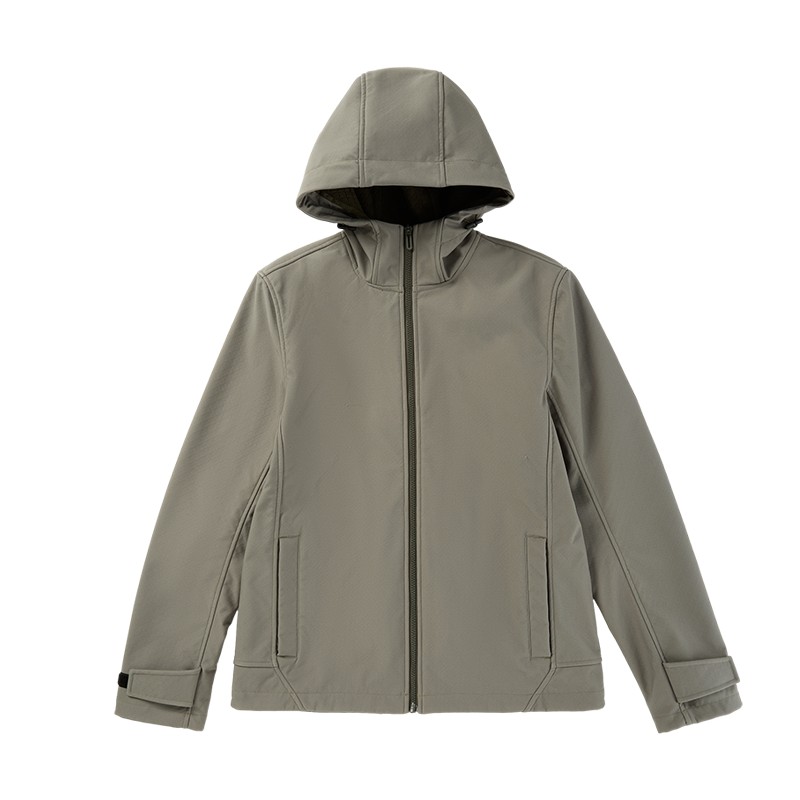
Below is a professional parameter table reflecting a standard high-performance Mens Outdoor Jacket configuration:
Product Parameters Overview
| Feature Category | Specification Detail |
|---|---|
| Fabric Material | Multi-layer polyester / nylon blend with ripstop reinforcement |
| Waterproof Rating | 10,000–20,000 mm hydrostatic pressure |
| Breathability Index | 8,000–15,000 g/m²/24 hrs |
| Insulation Option | Synthetic microfiber or lightweight thermal polyfill |
| Windproof System | Full-coverage wind-blocking membrane + storm-flap zipper |
| Seam Construction | Fully taped or critically taped seams |
| Zipper Type | Waterproof resin or PU-coated zipper |
| Hood Design | Adjustable, detachable, or helmet-compatible |
| Fit Structure | Ergonomic cut with articulated sleeves |
| Pocket Configuration | Chest zip pockets, deep hand pockets, interior security pockets |
| Weight Range | 500–900 g depending on insulation |
| Recommended Usage | Hiking, camping, mountaineering, travel, daily outdoor wear |
This baseline structure helps explain how the jacket performs in both moderate urban weather and demanding outdoor terrains. Outdoor consumers increasingly demand gear that balances rugged performance with lightweight comfort, and the Mens Outdoor Jacket reflects this shift through modernized design and high-function textile engineering.
Why Materials, Weather Resistance, and Ergonomics Determine the Real Value of a Mens Outdoor Jacket
Why does material selection matter?
Outdoor jackets succeed or fail based on the science behind their fabric layers. High-density polyester and nylon are commonly used because they provide abrasion resistance while keeping weight manageable. Ripstop weaves strengthen fabric integrity by preventing small tears from spreading, a significant benefit for trekking through rocky areas or dense vegetation.
The internal membrane layer plays a crucial role. Microporous or monolithic membranes regulate vapor transfer while blocking external water penetration. This ensures sweat escapes while rain or snow cannot pass inward. The more advanced the membrane technology, the more comfortable the jacket becomes during prolonged activity.
Why is waterproofing essential for outdoor protection?
Outdoor conditions can shift quickly, making waterproofing a top priority. A hydrostatic rating of 10,000–20,000 mm indicates that the jacket can withstand heavy rainfall or wet snow without leakage. Complementing this are elements such as:
-
Storm flaps that block wind and water from the zipper area
-
Fully sealed seams that prevent seepage
-
Adjustable cuffs and hem to minimize exposure
High-pressure rain or wind can compromise poorly designed jackets, making advanced water barriers fundamental for safety and warmth.
Why breathability affects performance during intense activities
Breathability ratings measure how effectively the jacket releases moisture vapor. High breathability reduces sweat buildup, which otherwise leads to discomfort, odor, and rapid heat loss when activity levels drop. Outdoor athletes often prioritize breathability as much as waterproofing because temperature regulation is essential for long treks or climbs.
Why does ergonomic design change the user experience?
Ergonomic tailoring ensures unrestricted movement, especially in the shoulders and elbows. Articulated sleeves, stretch integration, and strategic paneling enable fluid motion when climbing, cycling, or lifting equipment. A Mens Outdoor Jacket optimized for motion prevents fabric pulling or bunching, improving both comfort and performance.
Hood adjustability, collar structure, and length also influence usability. A well-designed hood protects against wind and precipitation without obstructing visibility. Adjustable hems and cuffs help seal warmth while adapting to different layering combinations.
Why durability matters for long-term outdoor dependability
Outdoor clothing faces abrasion from rocks, tree branches, backpacks, and repetitive motion. Durability is influenced by stitching density, reinforcement patches, fabric thickness, and zipper longevity. High-end jackets utilize double-stitching or bartack reinforcement to reduce the likelihood of seam failure. Long-lasting construction is increasingly important for users who expect gear to perform reliably across multiple seasons.
How Mens Outdoor Jackets Are Evolving: Technology, Trends, and Future Expectations
How is textile technology reshaping outdoor jackets?
Modern outdoor jackets incorporate innovations such as hydrophobic fiber treatments, improved synthetic insulation that mimics down, and weight-reduced membrane layers. These advancements reduce bulk while increasing warmth and performance in wet conditions. Many high-performance synthetic insulations retain heat even when damp, addressing a traditional weakness of natural down.
Advanced weaving technologies allow fabrics to resist tearing without becoming stiff. This creates lightweight jackets that remain highly protective and comfortable. Laser-cut construction and seamless bonding reduce chafing and moisture entry points, enhancing overall experience.
How are sustainability and eco-focused materials influencing design?
Eco-friendly production has become a defining trend. Recycled polyester, low-impact dyeing, and PFC-free water-repellent coatings are gaining popularity. These materials meet performance standards while reducing environmental footprint. Outdoor consumers increasingly prioritize environmentally responsible gear, encouraging brands to adopt more sustainable practices.
How is everyday lifestyle merging with outdoor functionality?
Mens Outdoor Jackets are no longer limited to mountain environments. Urban consumers favor jackets that transition effortlessly from outdoor terrain to everyday commuting. Therefore, lightweight construction, sleek silhouettes, and versatile colors are becoming mainstream.
The blending of sportswear and outdoor utility—also known as “outdoor lifestyle” design—drives demand for:
-
Multi-purpose weather protection
-
Travel-ready packability
-
Minimalist visual design
-
All-season adaptability
This shift makes the Mens Outdoor Jacket an essential garment not only for dedicated adventurers but also for professionals, travelers, and daily commuters.
How will future innovation shape outdoor gear?
Future developments are expected to focus on:
-
Smarter temperature-regulating fabrics
-
Ultra-light membranes even at high waterproof ratings
-
AI-assisted pattern modeling for improved ergonomic fits
-
Increased adoption of recycled and biodegradable materials
-
Jackets built for multi-environment use, from deserts to frozen climates
These advancements indicate that the Mens Outdoor Jacket will continue evolving into a more versatile, more efficient, and more environmentally responsible product.
Practical Guidance, Common Questions, and How to Choose the Right Mens Outdoor Jacket
How should a user select the most suitable Mens Outdoor Jacket?
Choosing the right jacket depends on climate, intended use, and personal comfort preferences. Users should consider the following aspects:
-
Climate Conditions: Wet climates require high waterproof ratings; dry but cold areas prioritize insulation.
-
Activity Level: High-intensity activities benefit from lightweight, breathable designs; low-intensity activities favor thicker insulation.
-
Layering System: Jackets designed for layering provide better seasonal flexibility.
-
Fit and Mobility: Ergonomic cuts and adjustable features improve comfort during movement.
-
Storage Needs: Secure pockets are important for carrying essentials like phones, maps, or gloves.
-
Durability Requirements: Heavy abrasion zones demand reinforced fabric and strong seam construction.
A well-balanced Mens Outdoor Jacket should maintain a seamless combination of protection, comfort, mobility, and longevity.
FAQ Section
Q1: What waterproof rating is recommended for outdoor activities in rainy or snowy environments?
A waterproof rating between 10,000 and 20,000 mm is generally suitable for heavy rain, wet snow, and cold climates. This rating ensures that the jacket resists prolonged water pressure while maintaining comfort. Users engaging in mountaineering or extended backcountry travel may prefer jackets at the higher end of the range for maximum protection.
Q2: How should a Mens Outdoor Jacket be cleaned to maintain its performance?
Cleaning should follow the label instructions carefully. Typically, machine washing on a gentle cycle with mild detergent is appropriate. Fabric softeners should be avoided because they can block membrane pores and reduce breathability. After washing, a low-heat tumble dry or air dry is recommended to restore loft and maintain water-repellent coatings. For long-term maintenance, reapplying durable water-repellent treatment helps preserve weather resistance.
Quality Commitment and Contact Guidance
A high-performance Mens Outdoor Jacket serves as a vital layer of protection for outdoor exploration, daily commuting, and seasonal transitions. With advanced materials, improved breathability, innovative insulation technologies, and ergonomic engineering, the modern jacket delivers exceptional functionality and long-lasting dependability. As outdoor lifestyles continue to expand, the demand for versatile, durable, and responsibly crafted jackets will continue to rise, reinforcing the value of high-quality gear.
Brands such as Times focus on developing Mens Outdoor Jackets that embody durability, comfort, and reliable performance across a wide range of conditions. For inquiries about materials, customization, bulk procurement, or product consultation, users are encouraged to contact us for detailed support and professional guidance.