

What Makes Snow Boots Truly Stand Out?
2025-10-23
Snow boots are specially designed footwear engineered for cold-weather environments, offering insulation against low temperatures, waterproofing to keep feet dry, and traction to prevent slipping. Compared to general winter boots, snow boots tend to have higher shafts, deeper tread patterns, superior insulation, and more robust water-resistant membranes.
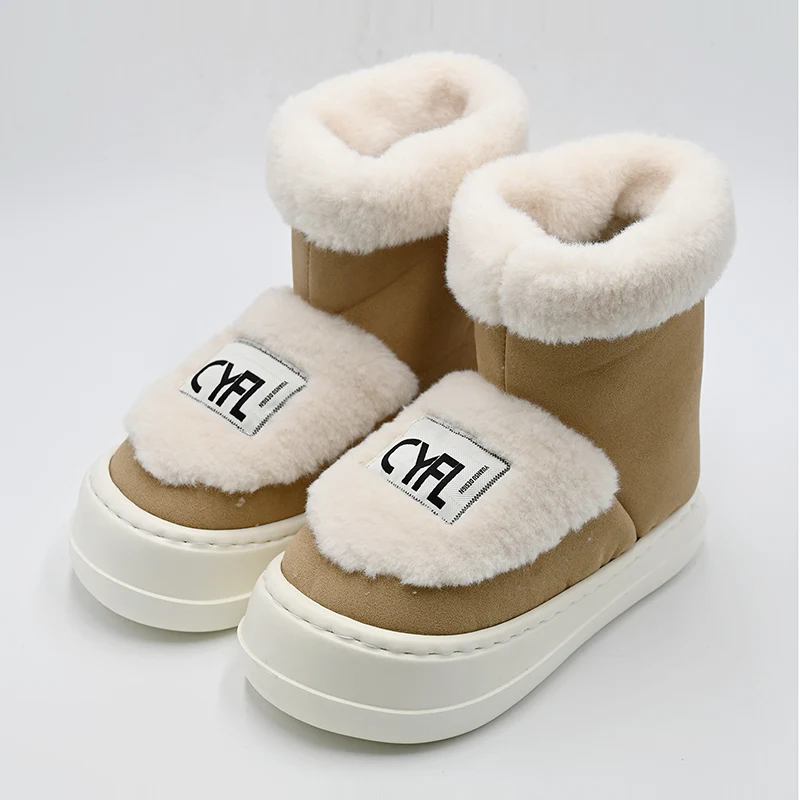
Below is a summary of typical technical parameters for a high-quality snow boot:
| Parameter | Specification Example |
|---|---|
| Shaft Height | 20 cm – 30 cm (above ankle to mid-calf) |
| Insulation | 200 g synthetic fill or equivalent to -30 °C rating |
| Upper/Exterior Material | Waterproof treated leather, PU synthetic, or textile |
| Membrane | Waterproof breathable membrane (e.g., Gore-Tex style) |
| Outsole | Deep lug rubber with slip-resistant pattern |
| Weight | ~600-900 g per boot (varies by size) |
| Fit & Closure | Lace or zipper + gusset + adjustable collar |
| Intended Use | Urban snow walking, outdoor hiking in snow, ski lodge |
In practical terms, a snow boot built with these parameters can maintain foot warmth, prevent snow and moisture ingress, and deliver stable footing in slick, icy terrain. The parameters inform how well the boot performs in actual use: the shaft height keeps snow out; insulation determines temperature resilience; waterproof materials ensure dryness; outsole tread enables grip on snow and ice.
Why These Features Matter + Market & Trend Context
Why do the above features matter?
-
Insulation & Temperature Protection: In deep snow or sub-zero conditions, having proper insulation is critical to prevent cold-related discomfort or even risk of frostbite. A boot rated for very low temperatures ensures the user’s feet remain warm and functional.
-
Waterproofing & Dryness: Snow and slush can seep into footwear if the materials or seams are not properly sealed. Waterproof membranes or treated uppers are essential to keep feet dry, which in turn supports warmth and comfort.
-
Traction & Safety: Walking on ice, compact snow or slush is hazardous. Deep lug outsoles, materials with high grip and stability features reduce risk of slipping and injury.
-
Fit and Comfort: A boot that is rigid, heavy or poorly fitting will reduce comfort, hamper mobility, and might cause fatigue. Proper fit, good support (arch, heel, ankle) matter.
-
Market Demand & Trend Growth: According to market research, the snow boots segment is projected to grow significantly. For example, the global snow boots market is expected to increase from roughly USD 3.4 billion in 2025 to USD 4.2 billion by 2035, representing a CAGR around 4.7%.
-
Urban consumers are increasingly seeking footwear that blends performance (insulation, waterproofing, traction) with fashion and lifestyle elements.
-
Advances are being made in materials (lighter weight, better insulation), sustainable production (recycled materials, vegan uppers) and smart features (adaptive insulation, customizable fit).
-
Why invest in high-quality snow boots rather than standard winter boots?
While many boots claim to be “winter boots”, snow boots are engineered for harsher conditions: deeper snow, longer exposure, significant wetness and ice. As one analysis puts it: “Snow boots are … engineered first and foremost to withstand deep snow, slush, and icy terrain.”For users in regions with heavy snowfall or engaging in outdoor winter activities, this distinction is crucial.
3. How: How to Select, Use and Maintain Snow Boots
How to select the right snow boots?
-
Assess climate and terrain needs: If you live or travel to regions with deep snow, ice, or wet slush, choose a boot with high insulation (e.g., rated for -20 °C or below), a tall shaft, and robust waterproofing. If your environment is milder (light snow, urban sidewalks) a lighter model may suffice.
-
Check material and construction: Look for models that use waterproof membranes or sealed seams, high quality uppers (leather or high-grade synthetics), and outsoles with aggressive tread and slip-resistant design.
-
Consider weight vs. mobility: While high-insulation models tend to weigh more, they should not impose undue fatigue. Try the boots on, walk around, ensure comfort while wearing winter socks.
-
Fit and sizing: Snow boots may require thicker socks; ensure there is enough space but not so much that your foot slides in the boot. A snug but not tight fit gives best insulation.
-
Style and multi-purpose use: If you want boots that serve both outdoor activities and urban wear, look for a balance of performance features and aesthetic design. With market trends showing increased demand for style-forward snow boots, this is becoming a meaningful factor.
How to use and maintain snow boots for longevity?
-
After use in snow/slush, rinse off salt and chemicals that may degrade materials. Dry thoroughly but avoid direct high heat which may damage membranes.
-
Store in a cool, dry place and use a boot tree or stuffing to maintain shape.
-
Re-apply waterproofing treatment (spray or wax) to uppers where applicable.
-
Inspect laces, seams, and tread wear periodically; replace or service before failure in critical conditions.
-
For travel, break in boots ahead of high-stakes activity; a well-broken-in boot will perform better in real use.
Common Questions & Answers
Q: How warm should snow boots be for very cold conditions? — A: For very cold conditions (below -20 °C / -4 °F), choose boots with substantial insulation (for example 200 g synthetic fill or equivalent) and a rating down to at least -20 °C. Also ensure the shaft height and insulation extend above the ankle to keep cold and snow out.
Q: Can snow boots be used for daily urban wear in winter? — A: Yes, many modern snow boots strike a balance between high performance and urban styling. If the urban winter involves snow, slush or freezing rain, a snow boot is a sensible investment. Just select a style with a less bulky outsole and moderate height if heavy trekking is not required.
4. Future Trends and Brand Mention
Looking ahead, several key trends are reshaping the snow boots category:
-
Smart, adaptive features: Boots with adaptive insulation (temperature-controlled linings), sole grip systems that adjust for ice vs snow, or connected features (such as foot-temperature sensors) are emerging.
-
Sustainability and materials innovation: The use of recycled rubber outsoles, vegan leather or bio-based insulation materials, and minimalist waste production processes are gaining importance.
-
Customised fit and digital commerce: AI-driven size recommendations, 3D-printed components, and augmented reality try-on features will make purchase decisions smoother and more tailored.
-
Fashion meets function: Urban consumers expect snow boots that deliver both performance and aesthetic appeal. Brands that successfully combine technical attributes with design will lead.
To conclude, a high-quality snow boot with well-specified parameters (as outlined above) delivers warmth, dryness, safety and versatility. Given the evolving market and consumer expectations, selecting the right model now means anticipating future requirements as well as present demands. At Cixi Lesijia Shoes Co., Ltd. the focus is on delivering advanced snow boots built to meet both technical and lifestyle needs — please contact us for further details, custom options or wholesale enquiries: contact us.